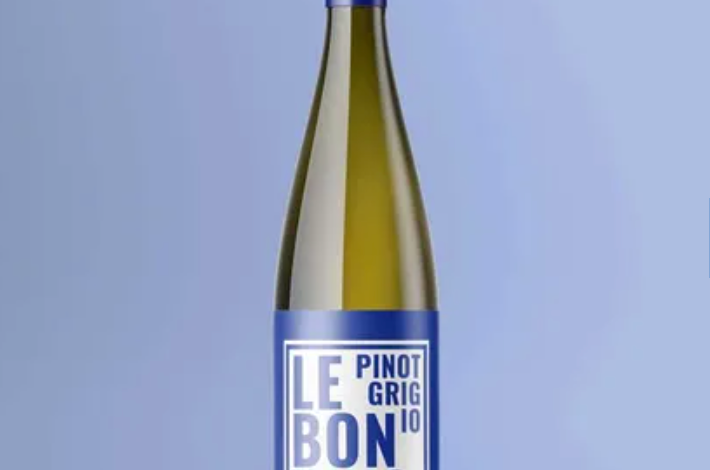
A bottle of wine is a common gift. It’s brought to dinner parties, given at Christmas, handed over at weddings, and presented at corporate events. In most of those situations, the bottle gets placed on a table with several others, opened at some point during the evening, and forgotten about by the end of the night. The wine inside may have been excellent. Nobody particularly remembers which one it was.
A custom wine label changes that dynamic. The bottle becomes identifiable. It carries a name, a date, a message, or a design that connects it to the specific occasion or the person who gave it. It gets noticed, photographed, talked about, and sometimes kept long after the wine is gone. The label does something the wine itself can’t do on its own: it makes the gift or the moment memorable in a way that a standard commercial bottle simply doesn’t.
This is why custom wine labels have moved well beyond the world of professional winemakers. They’re being used by couples planning weddings, businesses running corporate events, producers building boutique brands, and individuals who want to give something that feels genuinely considered rather than grabbed off a shelf.
Why Weddings Have Become One Of The Biggest Drivers Of Custom Labelling
Weddings involve a enormous number of decisions. Flowers, catering, photography, music, invitations. Most couples spend months on these details. The wine served at a wedding reception is often selected with care, but the bottles themselves are indistinguishable from anything else on the table unless something sets them apart.
Custom wine labels give couples a way to extend the visual identity of their wedding to the wine. A label carrying the couple’s names, the date, and a design that matches the wedding’s colour palette or theme turns a bottle of table wine into something that belongs to the occasion. Guests notice it. Some take the bottle home as a keepsake rather than leaving it to be cleared away at the end of the night.
The same logic applies to wedding favours. A small bottle with a personalised label is a practical, consumable gift that most guests will genuinely use, which puts it ahead of many of the decorative items that end up sitting in a drawer. For couples looking for a favour that’s useful, attractive, and memorable without being excessive in cost, a custom-labelled bottle of wine or sparkling wine is a natural answer.
The design possibilities are broad. Photographic labels using the couple’s engagement photos, illustrated designs, elegant typography on uncoated stock that matches the feel of the wedding stationery, or simple clean layouts that let the names and date speak for themselves. The label can be as understated or as detailed as the wedding’s overall aesthetic requires.
See also: How Mental Health Practices Can Improve Your Daily Life
Corporate Events And Gifting: Where Custom Labels Meet Brand Strategy
Businesses have been putting their logos on things for as long as marketing has existed. The challenge with branded merchandise is that most of it ends up in a bin, a drawer, or a charity shop within weeks. A branded pen is useful until it runs out. A branded tote bag is used until a better one comes along.
A bottle of wine with a well-designed custom label is a different category of gift. It’s consumable, which means it doesn’t accumulate. It has an inherent quality association that most branded merchandise doesn’t. And if the design is done well, it can sit on someone’s desk or kitchen bench for days before it’s opened, acting as a quiet piece of brand presence in a context where the recipient actually wants to look at it.
For product launches, client appreciation gifts, conference giveaways, and end-of-year presents, custom wine labels offer a way to add a layer of personalisation that standard gifts don’t achieve. A bottle labelled with the company’s branding, the event name, and the date creates a tangible record of an occasion. People keep these bottles, photograph them, and share them. That reach extends the value of the gift beyond the single moment of giving.
The label design in a corporate context needs to balance the company’s visual identity with a look that works on a wine bottle rather than a business card or a billboard. This is a genuine design challenge that rewards careful thought. A label that looks like a shrunken version of a corporate letterhead misses the point. One that uses the brand’s colours and typography but reinterprets them for a label format actually looks intentional and considered.
Boutique Producers And The Role Of The Label In Building A Brand
For small and independent wine producers, the label is often the primary marketing asset. A boutique winery without a large distribution network, without shelf space in major retailers, and without a marketing budget that reaches mass audiences relies heavily on the bottle’s label to communicate who they are and why someone should choose their wine over the others on the table.
The label does this in seconds. Before anyone reads the back of the bottle, before they know the vintage or the grape variety, they’ve already formed an impression based on what the front label looks like. That impression shapes expectations about the wine inside, the price point, the style, and the story behind it.
Premium uncoated stock with a textured surface communicates a different story from a glossy laminated label. Fine typography on a clean, restrained design reads differently from an illustrated label with a hand-drawn illustration. Neither approach is universally right. The question is whether the label accurately represents the wine and the producer, because inconsistency between the two creates a confusion that undermines both.
Small producers increasingly understand that the label isn’t just packaging. It’s brand communication. For a winery selling direct from the cellar door, at farmers’ markets, or through a small number of curated bottle shops, the label is doing significant marketing work. A label that looks like it belongs on a supermarket shelf works against a boutique brand rather than for it, regardless of how good the wine actually is.
The Practical Side Of Ordering Custom Labels
Custom wine labels are available in both standard and premium material options, and the right choice depends on the application.
Standard coated stock with gloss or matte laminate is the practical choice for most applications. It handles moisture well, reproduces colour accurately, and works across a range of bottle types and sizes. For corporate gifting and event labelling where large quantities are involved, it’s the reliable, cost-effective option that produces consistent results.
Premium uncoated stock produces a different result. The textured surface has a tactile quality that reads as more refined in the hand, which makes it well suited to wedding labels, boutique producer branding, and any application where the physical feel of the label contributes to the overall impression. The trade-off is slightly lower moisture resistance compared to laminated options, which is worth knowing for bottles that will be in ice or refrigeration for extended periods.
Label sizing needs to match the bottle. Standard wine bottle labels have established size conventions, but different bottle shapes, including Bordeaux, Burgundy, and sparkling wine formats, have different proportions and curved surfaces that affect how a label sits. Getting the sizing right before printing avoids the situation where labels that look correct in a design file don’t sit cleanly on the actual bottle.
Print quantity is a practical consideration that shapes the economics of the order. For weddings and events where the required quantity is fixed and known in advance, ordering exactly what’s needed is straightforward. For boutique producers who need to manage stock and reorder as production runs vary, understanding minimum order quantities and turnaround times helps manage the label supply alongside the wine production calendar.
What Makes A Custom Label Genuinely Work
The difference between a custom label that achieves something and one that simply exists comes down to whether the design was treated as a real creative exercise or as an afterthought.
A label that has been designed with care, with attention to typography, layout, colour, material choice, and how all of those elements interact on the specific bottle it will be applied to, communicates that care immediately. The person receiving the bottle picks it up and something registers. This was thought about. This was made for this occasion or this brand.
That impression is disproportionately powerful relative to the cost of the label itself. A well-designed custom label on an average bottle of wine can make the gift feel more generous than a poorly labelled expensive one. In events and gifting, perception is the point. In boutique branding, the label is sometimes the first and only chance to make a case for why someone should try the wine. In both contexts, the label earns its investment when it’s treated seriously from the start.