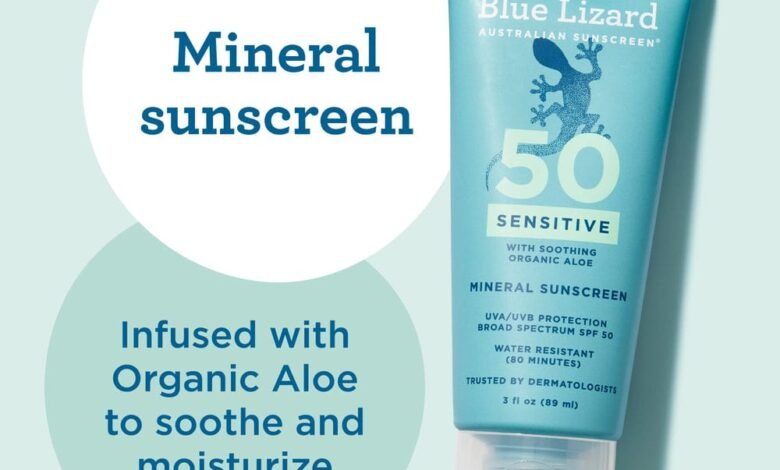
The term “hypoallergenic” isn’t regulated, so many brands still include hidden fragrances and chemical filters. For reactive skin, switching to a minimalist mineral formula is usually the key to stopping the sting.
We’ve all been there: standing in the pharmacy aisle, eventually grabbing the bottle with “Hypoallergenic” plastered across the front. You’ve done your homework and spent the extra money, yet twenty minutes after applying it, your skin feels less than happy. It’s frustrating, especially when the hypoallergenic sunscreen was supposed to avoid this kind of thing.
The problem is that “hypoallergenic” isn’t a tightly regulated term, meaning seeing it on the bottle can mean different things to different manufacturers. And when you don’t pay enough attention to the ingredients, you can end up trying something that doesn’t suit you.
In many cases, it comes down to choosing simpler formulas with fewer potential irritants, particularly when talking about mineral sunscreens that rely on zinc oxide rather than multiple chemical filters. Want to know more? Then stick around.
Why Hypoallergenic Sunscreen Can Still Cause Problems
The word “hypoallergenic” might sound reassuring, but it doesn’t actually guarantee a hypoallergenic sunscreen is safe for anyone with sensitive skin. There’s no strict legal standard for how the term is used, which means brands can still include ingredients that can give your skin a problem. That’s all while being able to market their products in this way.
That’s why some people still experience burning, redness, or stinging even when using sunscreens marketed as “gentle.” Chemical UV filters, fragrance, and certain preservatives are all common triggers, especially for people with compromised skin barriers.
Here are a few things to keep in mind.
- A sunscreen labelled “hypoallergenic” can still contain fragrance, preservatives, and chemical UV filters that are widely linked to irritation in sensitive skin.
- Ingredients like oxybenzone and octocrylene (used in chemical brands) are common triggers for burning, redness, itching, and the stinging sensation many people notice – even after only one or two uses.
- Many products marketed for “sensitive skin” rely on long, complicated formulas that increase the likelihood of irritation and repeated skin flare-ups.
- Mineral sunscreens based on zinc oxide are often easier for reactive skin to tolerate because the formulas are usually simpler and gentler.
- Reading the ingredient list carefully is normally far more useful than relying on front-of-packaging claims designed to make a sunscreen sound gentler.
The difference usually comes down to the formula itself, not the wording on the bottle. Once you start focusing on ingredients rather than marketing claims, you get to a better view of how comfortable the product might be.
The Difference Between Chemical and Mineral Sunscreens
Most hypoallergenic sunscreen irritation comes down to the type of UV filters being used. Both chemical and mineral sunscreens protect your skin from sun damage, but they go about it in very different ways, and if your skin is on the reactive side, that matters.
Chemical sunscreens work by absorbing UV radiation and converting it into heat, which then releases from the skin. It’s a process that happens within the skin rather than on top of it, and for some people that’s enough to cause stinging.
Chemical Sunscreens
The filters used in chemical formulas (things like oxybenzone, octocrylene, avobenzone, and homosalate) are what make them so lightweight and invisible on the skin. They’re also, unfortunately, some of the most frequent culprits when it comes to irritation in people with sensitive or compromised skin barriers.
Many go on invisibly and feel nice and lightweight, which is why they’re so popular. The downside is that these same ingredients are among the most common triggers for irritation in people with sensitive or compromised skin barriers. Some people notice a reaction straight away; others find it builds up over time with regular use.
Mineral Sunscreens
Mineral sunscreens work their magic in a different way. Rather than absorbing UV rays, they sit on top of the skin and reflect or scatter them. Zinc oxide is generally considered the gentler of the two main mineral filters, partly because it offers broad-spectrum protection without relying on several reactive chemical ingredients working together.
Mineral formulas also tend to be simpler overall (fewer fragrances, fewer preservatives), which cuts down on the number of things that could potentially cause a reaction.
See also: Business Insights Tracker Notes About Modernbusinesslife .Com and Monitoring Logs
Your Skin Shouldn’t Sting When You Apply Hypoallergenic Sunscreen
If you’ve spent years buying products labelled “gentle,” “sensitive,” or “hypoallergenic” only to end up with burning skin anyway, it’s easy to feel like you’re the problem. A lot of people assume they just have to tolerate the irritation because sunscreen is “supposed” to sting a little. Newsflash: It isn’t.
The reality is that many reactive skin types simply don’t tolerate certain chemical filters, fragrances, or preservatives very well – and that’s really the issue. It’s not a mystery. It’s simply your skin having a problem with a sunscreen it doesn’t like – hence the need to be careful about what you use.
Mineral sunscreen ticks a lot of boxes for anyone with sensitive skin, meaning they’re less likely to catch you by surprise. With life being so busy in the modern world, that’s just one less thing you’re going to have to worry about.