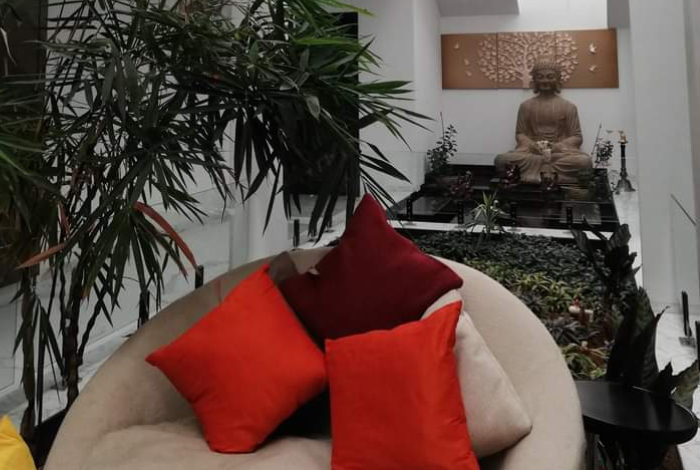
Walking into a home should feel like exhaling. Your shoulders drop, your mind quietens, and the noise of the outside world begins to fade. Yet many homes today do the opposite, leaving people oddly restless inside their own walls. The reason is rarely the square footage, the budget, or even the floor plan.
Thoughtful interior design Udupi is built on calm spaciousness, where layout, natural light, and honest materials work together to create genuinely restful homes. A well-planned interior reduces daily friction, ages gracefully through coastal weather, and delivers lasting value, which is why more families are now turning to design firms that lead with quiet, considered planning rather than passing visual trends.
Where Calm Quietly Takes Root in a Home
The Bones Beneath the Beautiful: A home rarely feels chaotic because of its furniture alone. The unrest usually begins in how rooms are arranged, how the doors swing, and how movement flows from one space to the next across the day. When the structural choices respect your everyday routines, the visible layer of design quietly settles into place around them with very little effort.
Putting Function Before Finish: Long before a single tile is chosen, careful spatial planning decides whether your house will feel composed or cramped. The placement of doors, the width of passages, the depth of storage, and the way the kitchen connects to living areas all shape how the home behaves under real-world use over many years of busy family living, not just on opening day.
Storage That Quietly Disappears: Clutter is often a planning problem disguised as a styling problem. Built-in storage, sized for the actual things your family owns, removes the daily visual static that wears at the eye. When everything has a settled home of its own, surfaces stay clear, rooms feel calmer, and the house no longer demands constant tidying every single evening.
See also: The Best 10 Powerful Métodos de Entrenamiento for Optimal Performance (2025 Guide)
The Quiet Power of Light, Air, and Material
Letting Nature Do the Heavy Lifting: Homes arranged around sunlight and cross-ventilation feel calmer almost by default. The principles of biophilic design draw on this old instinct, weaving plants, natural textures, and views of greenery into the daily experience of a space. Coastal homes especially benefit from this approach, since the climate already invites the outside in through breeze, light, and birdsong.
Materials That Age With Grace: A calm home tends to favour materials that mature rather than peak. Honest wood, lime-washed walls, terracotta floors, cane work, and well-fired ceramics hold up beautifully against humidity and salt air. They develop quiet character across the years rather than looking tired, and they reduce the need for constant replacement that drains both energy and household budgets.
A Calmer Palette Quiets the Eye: Loud colour schemes age fast and quietly tire the senses. A restrained palette of warm whites, muted earth tones, and one or two restful accent shades lets natural light do most of the work. Your eyes get a chance to rest, rooms read as more spacious, and the whole home feels far less demanding to live in.
Habits Found in the Calmest Homes
Patterns Worth Borrowing: Certain habits show up repeatedly across homes that feel settled without trying. They rarely involve expensive finishes and tend to come from discipline at the planning stage rather than later styling. These are the small choices that pay you back every single day, often unnoticed until you step into another house and quietly sense the difference.
- Entrance zones with a dedicated drop-off spot for keys, footwear, and bags reduce the daily mess that creeps slowly inwards from the front door.
- Kitchens with deeper counters and pull-out pantries cut the visible chaos of cooking and free up the eye after meals.
- Bedrooms kept dim, simple, and screen-free near the doorway encourage proper rest without needing elaborate styling.
- Bathrooms with niche storage and a clear dry-wet zone separation stay cleaner with far less daily wiping or upkeep.
- Living areas planned around natural light, with one wall left calm and uncluttered, settle the room without any extra effort.
Why Small Choices Compound Over Years: Each of those small habits looks minor in isolation. Together they shape how your home behaves across a decade of daily life. The house stays orderly with very little active maintenance. Family routines run smoother. You spend less weekend time fixing problems that could have been quietly designed out at the very start of the project, before walls went up.
The Quiet Cost of Skipping Early Work: Skipping careful planning rarely saves money in the long run, although it can look thrifty on paper. Homes built without honest layout work tend to call for repeated repairs, awkward retrofits, and a slow drift of furniture across rooms that never quite settles. The lost time, calm, and ongoing expense add up faster than owners expect.
The Reward of Doing It Right Once: Done thoughtfully from the start, a home rewards you quietly for years to come. The right doors open in the right direction. The kitchen breathes when guests arrive unannounced. Storage swallows the daily mess without complaint. None of this announces itself loudly. You only notice it because the home stops asking for your attention and lets you simply live.
Walking Into a Home That Lets You Breathe
Calmness in a home is never an accident. It comes from honest planning, considered materials, and the patience to design around how your family actually lives, not how a glossy catalogue thinks they should. Anyone planning a new home or a renovation deserves that quiet outcome from day one. Begin the conversation early, hire wisely, and let your home rest.