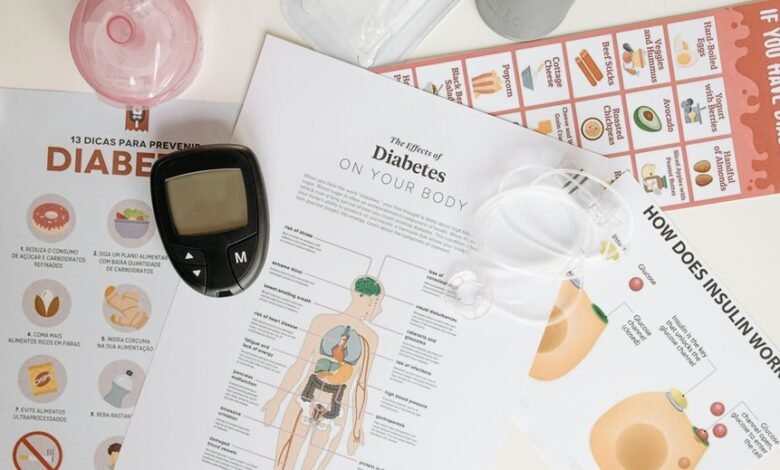
Health monitoring documentation is crucial in addressing the Cure Pispulyells issue. Accurate records enhance patient care by tracking treatment progress and identifying improvement areas. Effective communication among healthcare providers reduces miscommunication risks. This meticulous documentation approach not only supports informed decision-making but also promotes patient engagement in their care. Understanding these dynamics raises essential questions about how documentation practices can be optimized for better outcomes.
Importance of Accurate Health Monitoring Documentation
How critical is accurate health monitoring documentation in ensuring patient safety and optimizing care outcomes? This documentation underpins data integrity, enabling healthcare providers to make informed decisions.
Furthermore, it safeguards patient confidentiality, fostering trust in the healthcare system.
Accurate documentation not only enhances clinical effectiveness but also empowers patients, allowing them to engage actively in their care while minimizing risks associated with miscommunication or errors.
Key Components of Feedback Records
Effective feedback records are essential for maintaining high standards of patient care, as they encapsulate critical information necessary for ongoing assessment and improvement.
Key components include clear documentation standards, which facilitate robust feedback loops, enabling healthcare professionals to track performance and identify areas for enhancement.
These records must be comprehensive, accurate, and timely, ensuring that patient needs are met effectively and efficiently.
Strategies for Effective Documentation Practices
Accurate and timely documentation practices are vital for enhancing the quality of feedback records in healthcare settings.
Employing effective tracking methods alongside advanced documentation tools facilitates thorough data collection. Regular training ensures staff proficiency, while standardized protocols promote consistency.
Additionally, integrating digital solutions can streamline processes, enabling immediate access to information, thereby fostering a culture of transparency and accountability within healthcare documentation systems.
Impact on Patient Care and Treatment Outcomes
While the quality of health monitoring documentation may often be overlooked, it has a profound impact on patient care and treatment outcomes.
Effective documentation fosters patient engagement and enhances treatment adherence, as patients feel more informed and empowered.
Consequently, thorough records facilitate personalized care strategies, leading to improved health results and a more efficient healthcare system that respects patient autonomy and promotes well-being.
Conclusion
In conclusion, accurate health monitoring documentation serves as the backbone of effective patient care, fostering improved tracking, clear communication, and informed decision-making. By ensuring that feedback records are comprehensive, healthcare providers can identify treatment gaps, enhance patient engagement, and ultimately drive better health outcomes. Thus, meticulous documentation not only safeguards against errors but also strengthens the partnership between patients and providers, leading to a more efficient and responsive healthcare system.